
Design Approach Explained: Rocketon Game UX for Canada
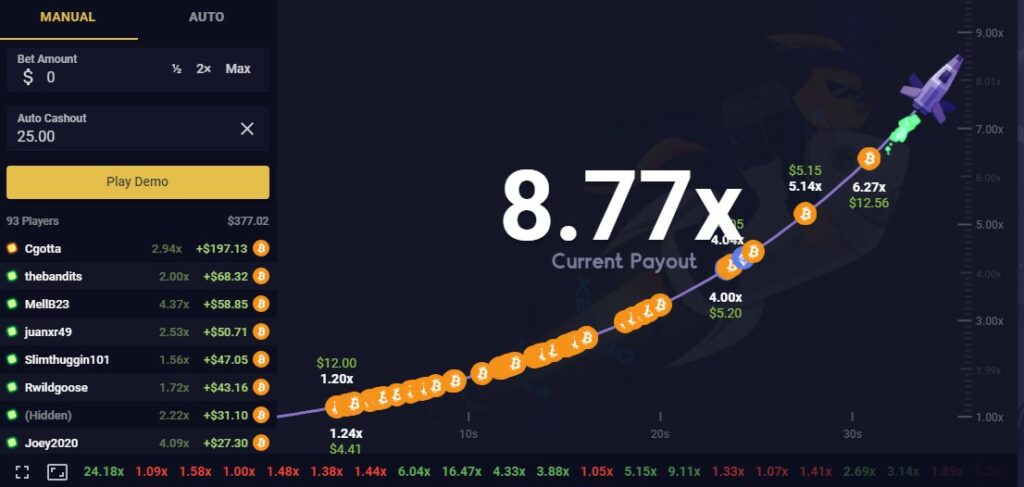
Online gaming is a competitive field. A game’s longevity depends on more than its core rules; it needs an interface that feels natural. For Rocketon Game, this is a intentional approach. A user-focused design philosophy shapes every click and swipe, fostering an environment where engagement feels effortless. This review analyzes the seven pillars of Rocketon’s UX design, showing how each one is carefully shaped for Canadian players. We’ll explore how intuitive navigation and culturally-sensitive feedback systems produce a product that feels polished for everyone, yet individually relevant from Vancouver to Halifax.
I. The Foundation: Player-Centric Návrhářské principy
Rocketon Game’s UX starts s prostou myšlenkou: potřeby hráče jsou na prvním místě. Každý krok, od toho, kde je umístěno tlačítko nabídky až po to, jak se odvíjí tutoriál, je ověřována na základě reálného chování uživatelů a zpětné vazby. Pro uživatele v Kanadě to vede k interface, které vyhovují pro mnoho různých úrovní digitální gramotnosti a herní historie. Inkluzivita je zakomponována hned od startu. Designový tým je přesvědčen, že hráč by nikdy neměl být zmatený nebo rozladěný interfacem. Hra by se měla jako intuitivní pomůcka pro jejich záměry. Tato základní myšlenka formuje vše od prvotního uvedení až po to, jak jsou řešeny chyby, a posiluje se důvěra a snižuje se mentální úsilí již od prvního okamžiku hry.
Core Tenets v praxi
Tuto filozofii můžete vidět v několika jasných příkladech. Hra aplikuje graduální zpřístupňování, tedy že pokročilé možnosti jsou zpřístupňovány až s rostoucími schopnostmi hráče. To zabraňuje počátečnímu pocitu zahlcení. Zároveň se řídí osvědčenými postupy pro mobily i stolní počítače, aby si kanadští uživatelé mohli uplatnit znalosti z jiných aplikací z ostatních programů. Kromě toho existují široké možnosti zpřístupnění, jako je měnitelná velikost UI a nastavení pro barevné vidění. To odpovídá s hodnotami Kanady inkluze. Výsledkem je hra, která otevře náruč háčka pro odpočinek z Toronta, který hledá rychlý zápas, ale také uspokojí nadšence v Montrealu, jenž touží ovládnout každou maličkost. Žádný z nich není zklamán prostředím.
Number 2. Intuitive Browsing and Content Structure
Great UX often feels instinctive. You merely know where to go. Rocketon Game understands this via careful information architecture that organizes features logically. The main navigation remains in a consistent spot and uses clear labels, steering clear of jargon that may not function across Canada’s bilingual culture. Secondary menus pop up only when you need them, maintaining screens clean. This logical setup is crucial for retaining players who handle multiple games. Someone in Calgary should be able to return after a week off and find their bearings immediately. Transitioning between major modes, like going from a solo mission to a multiplayer lobby, is smooth, with visual and sound cues to ease the way.
Structuring the Player’s Journey
The architecture serves two types of players: the goal-oriented and the explorer. If you have a specific target, welcome bonus rocketon game, the path to critical tools like your inventory or settings is constantly obvious and quick. If you enjoy to poke around, the design fosters discovery through visual hints and inviting, but not pushy, prompts. This dual approach honors player agency, something Canadian audiences look for from high-quality digital products. The structure is also checked across Canada’s range of network conditions. Menu loads and transitions keep quick even on mobile data in remote areas, so navigation does not become a chore because of lag.
3. Visual Style and Aesthetic Cohesion
Rocketon Game’s visual design does more than look good. It speaks. A unified color palette and unique visual language make sure interactive elements remain prominent from the background art. This precision is crucial during rapid gameplay, where split-second recognition counts. For Canada, the design incorporates motifs and colors inspired by the country’s landscapes, like northern light gradients or clean interfaces that evoke wide-open spaces, but it steers clear of clichés. The typography is picked for easy reading on any device, with careful consideration of line length and contrast to minimize eye fatigue during lengthy gameplay, a thoughtful touch for those lengthy winter nights.
Visual Symbols and Symbolic Communication
The game’s iconography is worth a closer look. Icons are designed to be understood globally, which cuts down on text and aids both English and French speakers. A money symbol or a symbol for your friends list is designed for instant recognition. This symbolic language applies to in-game status effects and rewards too, where a unique shape and color combo provides information fast. This system means players hardly ever need to halt and read a long tooltip mid-action. It preserves the immersion and flow intact, which is key for a rewarding game no matter what language you speak or your location in Canada.
4. Reactive and Significant Feedback Systems
Each action you execute in Rocketon Game receives a purposeful response. This is central to establishing a rewarding, tactile feel. Audio cues are unique and stratified, telling you about an interaction’s success or nature without forcing you to look. Haptic feedback on supported devices introduces a physical layer to key moments. Visually, button states are sharply defined, and successful actions are highlighted with refined, satisfying animations. For Canadian players, this fosters a sense of direct control over the game world. The feedback is also tuned to cultural taste; celebratory effects feel rewarding without being over-the-top, matching a general preference for polished subtlety rather than flashiness.
This feedback extends past simple confirmation. The game’s systems clarify cause and effect clearly. If a strategy fails, the feedback usually gives hints about why, which helps you learn. Reward sequences are designed to ramp up anticipation and delight, using smart principles of variable reinforcement. This careful tuning guarantees feedback never feels penalizing or empty. Instead, it creates a steady, trustworthy dialogue between the game and you, fostering experimentation and skill-building. These are the things that drive long-term engagement in a dynamic market like Canada’s.
5. Performance and System Tuning for Canadian-based Network
A gorgeous, user-friendly design means nothing if the game stutters. Rocketon views technical optimization as a fundamental part of the user experience. The team concentrates on fast load times, stable frame rates, and minimal input lag across a vast range of devices, from powerful gaming PCs to everyday smartphones. This is notably important for Canada, where internet infrastructure varies widely from city to countryside. Optimizations encompass adaptive asset streaming, efficient data use for mobile players on limited plans, and strong netcode for multiplayer that can handle Canada’s vast distances. The game checks your device and network, then modifies visual quality on the fly to keep gameplay smooth. This seeks to make the experience fair for a player in rural Manitoba and one in downtown Vancouver.
On top of that, the game employs smart caching and predictive loading to cut wait times during transitions. Updates come in small, modular pieces to reduce download sizes. This respectful approach to your device storage and data plan is a understated but powerful part of UX that builds goodwill. By treating performance as a key user concern, not just a backend technicality, Rocketon Game proves it understands the practical realities for Canadian gamers. For them, a reliable and consistent experience is non-negotiable.
6. Regional Sensitivity and Cultural Awareness
Localization for Rocketon Game is far more than text translation. It’s about adjusting the whole user experience to fit Canadian culture. This requires full support for English and French, not just in menus but in each player communications and customer service. The game’s event calendar pays attention on Canadian holidays and cultural moments, including National Indigenous Peoples Day or the Stanley Cup playoffs. This creates community and relevance. Visuals and stories avoid stereotypes and strive for inclusivity, showcasing Canada’s multicultural makeup. Even the timing for in-game notifications and server maintenance focuses on North American time zones.
Profit strategies and social features are built with local norms as a priority. Prices show in Canadian dollars, and all promotions follow local rules. Social tools are designed for connection and teamwork, echoing the cooperative spirit present in gaming communities across the country. This thorough localization makes sure the game never feels like a foreign import with translated labels. It comes across like a product that truly considered the Canadian context, which establishes a stronger, more respectful bond with its players.
7. Ongoing Iteration Rooted in User Data and Feedback
The ultimate pillar of Rocketon’s UX philosophy is a devotion to evolution. The design is a dynamic system that gets better through regular iteration. The team employs a detailed analytics framework to gather data on how players use every screen and feature. They integrate this with qualitative feedback from Canadian channels, including community forums, social media, and direct player surveys. They consistently use A/B testing to check new interface ideas before a full rollout. This data-driven method ensures updates and refinements aren’t based on guesses, but on the actual behaviors and stated preferences of Canadian players.
This cycle creates a positive loop. Players witness their suggestions bring about real improvements, which builds loyalty and a impression of shared ownership in the game’s growth. It lets the UX to adapt to new trends, new devices, and evolving player expectations. For example, if data indicates players in a certain region keep stumbling on a tutorial step, the design can be modified quickly. This agile, user-informed approach helps keep Rocketon Game’s user tracxn.com experience polished, continuously fulfilling the high standards of Canada’s discerning gaming community.
FAQ
In what ways does Rocketon Game’s design accommodate both new and experienced gamers in Canada?
Rocketon uses progressive disclosure and adaptive tutorials. It presents mechanics slowly to newcomers, while offering veterans deep, customizable interfaces and shortcuts. The UX delivers clear routes for essential functions and deeper layers for mastery. This guarantees both new and experienced players feel capable right away but still have room to grow, which suits Canada’s varied gaming population.
Is the game’s performance optimized for Canada’s varied internet speeds and mobile data plans?
Indeed. Technical optimization is considered as a key part of the UX. The game utilizes adaptive streaming, efficient data use, and dynamic visual scaling to keep performance smooth across city and rural internet setups. It ensures download sizes small and caches data intelligently to be mindful of the metered mobile plans many Canadians use.
What specific cultural localization does Rocketon Game offer for Canadian players?
Along with full English and French support, the game weaves Canadian cultural references into events, acknowledges local holidays, and shows prices in CAD. Its social features and community management are tailored to encourage inclusive, cooperative play, reflecting national values to create a more familiar and respectful experience.
How does the design philosophy ensure the game remains accessible to players with disabilities?
Accessibility is integrated into the player-first design. Rocketon includes scalable UI, customizable color settings for vision differences, remappable controls, and detailed closed captioning. These features reflect Canada’s focus on inclusivity, working to make the game comfortable for as wide an audience as possible.